Cincinnati Association for the Blind and Visually Impaired

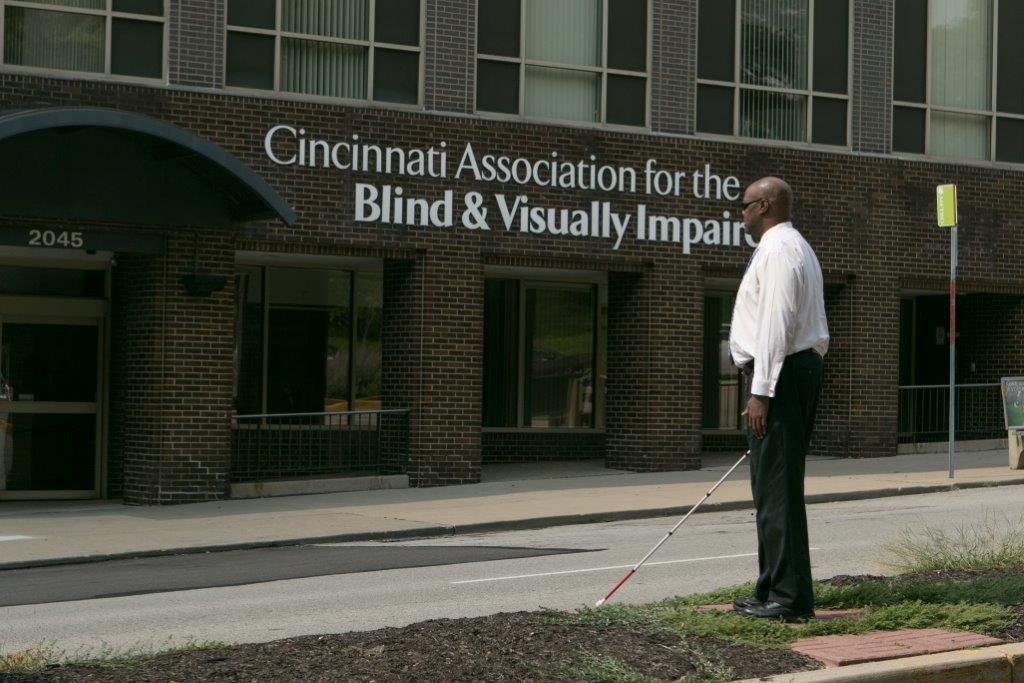
Going through life with limited vision can be very challenging. The Cincinnati Association for the Blind and Visually Impaired (CABVI) is ready to help with those challenges, bringing independence back into one’s life. CABVI is the only private, not-for-profit organization in our community that provides services to help improve the quality of life and independence for those with vision loss. Those services include, but are not limited to, rehabilitation, providing employment and access to technology. Their certified instructors work with young children all the way to elderly adults and are committed to helping them find a comfortable, independent lifestyle that works.

The African American community is more prone to vision loss due to our high rates in diseases like diabetes, cataracts and sickle cell anemia when left untreated. Macular degeneration and glaucoma are other eye conditions that are commonly found in seniors and can lead to blindness. In 2012, the National Federation of the Blind reported that African Americans make up 2.9% (1,117,000) of the vision loss community, holding the second leading spot for ethnicities.

CABVI encourages people who are experiencing sight loss to seek help through one of their many services. Regular eye exams are important and can help with early detection of the mentioned diseases plus heart disease and strokes. Services are based on ability to pay, and other funding is available.

Today CABVI helps nearly 5000 people each year through all services. Vision aids and special computer training help clients live active lives. CABVI also makes news and information accessible through its Radio Reading Services with around-the-clock broadcasts and Personalized Talking Print voice mailsystem.

For more information on how the CABVI can help you or a loved one, contact them at 513-221-8558 or www.cincyblind.org.

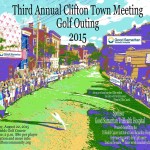
Third Annual Golf Outing

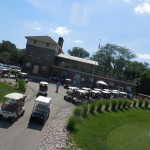
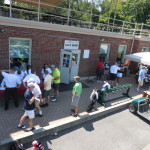
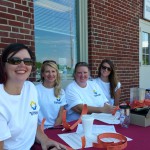
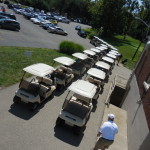
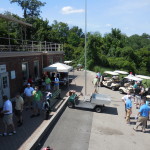
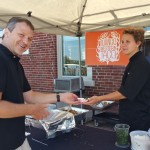
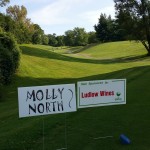
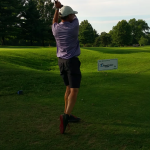
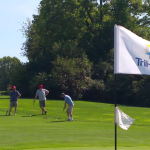
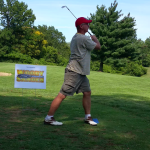
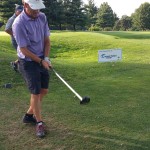
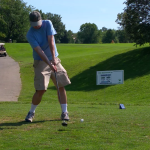
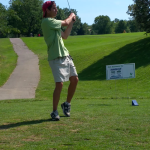
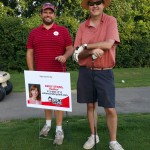
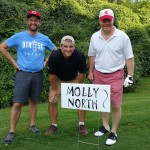
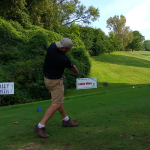
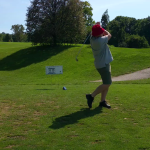
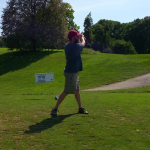
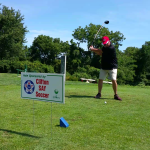
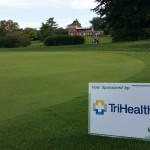
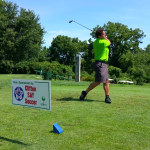
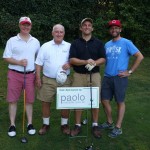
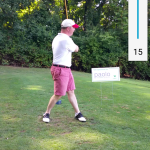
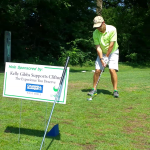
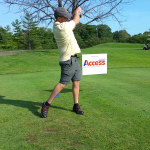
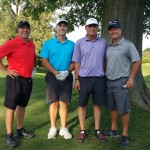
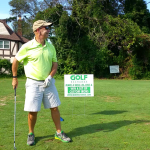
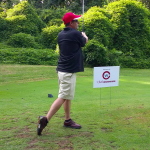
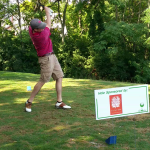
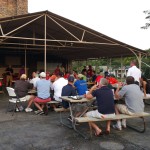
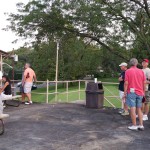
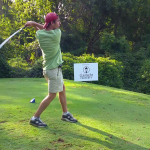
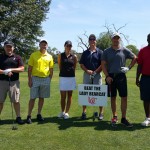
The CTM 3rd Annual Golf Outing was held on August 22. It was a great day for golfing, and 80 golfers worked the Avon Fields Golf Course. CTM is grateful for the sponsors of this event. Check them out in all the pictures. We will be adding more along with some results of the event to this post next week.

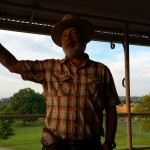
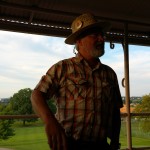
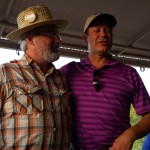
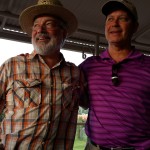
Tom Lohre was presented with the 3rd annual Friend of Clifton award by Tom Dwyer, one of the organizers of the golf outing. Tom volunteered to take all the noted pictures, and CTM is grateful for this.

CTM Considers Funding for Clifton Deer Project

This coming Monday, 9/14/15, Clifton Town Meeting will be evaluating a proposed one time donation of $5,000 to the Clifton Deer Fertility Control Pilot Program. Because this is a relatively large unbudgeted expense, we wanted to provide the community with some background information and invite residents to attend our 9/14/15 Monthly Board Meeting at 7 pm at the Clifton Recreation Center. The agenda will include this and other topics such as formation of a new CTM committee to respond to the CPS decision regarding Magnet School enrollment and an update on resolving concerns related to noise from the air conditioning units at Good Samaritan Hospital. If you are unable to attend our meeting, please consider sending your comments to us at contactctm@cliftoncommunity.org. We recognize that not everyone will be able to speak on Sept 14 and some may not be able to attend.

Events Leading To This Funding Request
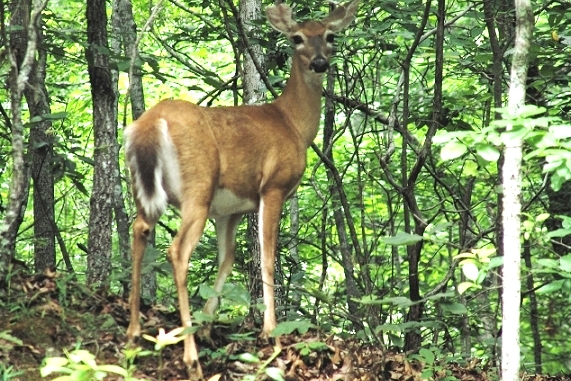
Last fall, the Cincinnati Park Board concluded that, to protect the health of the forests, they needed to reduce the population of deer in three of Clifton’s Parks: Mt. Storm, Rawson Woods, and Edgewood Preserve. At the August and the October CTM Board Meetings, the Park Board proposed starting a program to use certified bow hunters to “cull” the deer herds in the Clifton Parks in the fall of 2014.

Although some residents felt they should accept the Park Board’s opinion that this was their best option, many other residents protested, collected petitions and in October eventually persuaded the Park Board to cancel the bow hunting plans for 2014. The Park Board, however, said that there still was a need to control the deer. They said they could support a non-lethal alternative approach under these circumstances:
1. The non-lethal deer management program would need to be a research project approved by the Ohio Department of Natural Resources (ODNR)
2. CTM would need to vote in favor of the research project proposal so that the Parks would have some evidence of Clifton community support.
3. The project would need to be privately funded.
4. All city, state, and federal approvals and permits would need to be complete by June 15, 2015.

Two alternative approaches were presented to CTM: a sterilization program and a contraception program. CTM narrowly voted in favor of the sterilization program on 2/2/2015. Here is a link to their website: http://cliftondeer.org/donations/. At the time of this vote, we did NOT expect to provide any funding or resources for the project. We were only stating a preference at the request of the Park Board so that they could request ODNR approval for one and only one approach.

On 5/11/2015, the Ohio Department of Natural Resources issued a permit for the program. The Clifton Deer Project started fundraising immediately but they apparently underestimated the challenge of raising $40,000 prior to starting the program in November. Most of the cost is in the first year ($40,000 versus $5,000 or less in subsequent years) because of the experience of their contractor, White Buffalo, indicating that the most effective approach may be to sterilize 95% of the does in the first year of the program. This is actually the research goal that they presented to ODNR: to prove that a program that sterilizes 95% of the does in the first year will effectively reduce deer population in a park system as is found in Clifton that is partially isolated from surrounding forests. For this $40,000 goal, the Clifton Deer Project has raised over $12,000 so far and just received a $20,000 grant from the Humane Society.

Although the Project is still fundraising, this leaves them about $9,000 short of the funding they need to start this program in November. Due to this unexpected shortfall, they are asking CTM to provide a $5,000 matching grant. If they can then get others to donate a matching $5,000, they will have enough money to pay White Buffalo to sterilize most of the does this year.

Arguments For and Against the Funding

    Arguments for the funding

1. The Clifton Deer Project is the only option available this fall/winter to get deer population under control. The number of does in these parks grew from 30 to 40 just since last fall. There is not enough time to switch to bow hunting or to start a new process to gain ODNR approval for the other major non-lethal option of contraception. If you believe the Park Board, getting the deer population under control benefits the ecology of the parks. Also, it reduces collisions between automobiles and deer, reduces the risk of Lyme diseases, and reduces damage to household gardens.
2. The Project is innovative. If successful, it could lead to an ODNR approved option for every neighborhood in Ohio to address deer population issues without hunting. Maryland became the first state to approve this wildlife management technique after a similar study by the same contractor who would lead the work in Clifton, and, if Ohio follows Maryland, non-lethal deer management options could spread.
3. The Humane Society sponsorship is good PR for Clifton. This huge organization is featuring this Clifton project in their national campaign to celebrate their 60th Anniversary.
4. Animals do feel pain. If we can address ecological needs with less pain and suffering, why not do so?
5. The project is close to raising what it needs, but the November deadline is approaching. With CTM’s contribution and additional fundraising by the Project, they are likely to succeed.
6. This project is relatively affordable for CTM. We have some annual expenses ranging from $1,000 to $6,000. A $5,000 one-time expense is relatively affordable. Also, CTM’s $80,000 cash balance is much more than most community councils, and there are many who feel we should be looking for opportunities to use this money on worthy projects.
7. If this program is NOT funded for 2015, costs are likely to increase along with damage to the ecology in the parks by the time we get to 2016. The population of does grew from 30 to 40 in just one year from 2014 to 2015. This caused the budget for the first year to grow from $30,000 to $40,000. This would be likely to increase further if the Deer Project can’t raise enough funds to start the program in 2015.

    Arguments against the funding

1. When we approved this program in February, we were not told we might be asked to provide any funding. The Clifton Deer Project may not have anticipated the challenges of fundraising, but this is still an unpleasant, unexpected outcome for CTM.
2. What is the “will of the people”? This is a tough question to answer because many Clifton are not aware of all the plusses and minuses of this issue. Also, it may be impossible to get majority support for ANY one option because at all the CTM meetings involving this topic some people were advocated bow hunting, others advocated contraception, and a third group advocated this sterilization project. Everyone was passionate and everyone disagreed. Another complication is that one could argue that people living near these parks are more directly affected by the Project and should somehow have more say.
3. Will costs after year 1 exceed current projections? The Clifton Deer Project expects to use sources other than CTM for all funds in years 2-5. They project annual costs in years 2-5 because this study aims to complete 95% of the sterilizations in year 1. But this IS a research project and nothing is certain.
4. Also, although this contractor has had success in similar projects elsewhere, given that it is a research project, there is no guarantee that it will effectively reduce the deer population.
Clifton Deer Project Receives Grant From Humane Society

Good News, Deer Friends!

Clifton’s partnership with the Cincinnati Parks to humanely reduce overabundant deer in three Clifton parks just acquired another major partner. The Humane Society of the United States (HSUS) has agreed to contribute $20,000 to the Clifton deer project, and they will be featuring the program in their 60th anniversary national campaign. This grant brings us to over 75% of our fundraising goal, but we still need your help raising the last 25%.

For those who objected to the Parks’ plans to bow-hunt in Mt. Storm, Rawson Woods and Edgewood Preserve, those concerned about the ecological and social problems caused by too many white tailed deer, and those just weary of the debate, HSUS’s financial support is welcome news.

Under a research permit issued by the Ohio Department of Natural Resources, the three to five year study will begin this November when veterinarians and a capture team managed by wildlife biologist consultant, White Buffalo, Inc., will spend a week in Cincinnati anesthetizing, sterilizing and tagging the does in the three parks. If the program works as it has in other jurisdictions we should see deer populations shrink though attrition at the rate of 10% to 20% per year, rather than increasing by 30% as they did in these three parks last year.

CliftonDeer.org again thanks CTM and the Cincinnati Park Board for engaging in the collaboration that made this innovative program possible, as well as all the Clifton residents who have made generous donations to date.

Please consider a tax deductible donation to launch the program in November. Just follow the easy steps on our website at http://cliftondeer.org/donations/.

Written by the CliftonDeer.org, an Ohio nonprofit corporation qualified as a 501(c)(3) charitable organization.
Elmore to Central Parkway Connector

If you missed the June and July CTM meetings, you may not be aware of CTM taking a position on some of the details of the proposed connector bridge/road from Elmore St. in South Cumminsville to Central Parkway in Clifton. This news post details recent correspondence between CTM and Ohio DOT on the project. It also contains a link to recent project drawings/plans:
After a detailed report by the Transportation Commmittee and subsequent discussion, CTM Trustees agreed to send a email regarding the connector as follows:

——– Beginning of email —–
August 11, 2015

Lee Matthes, P.E.
Project Manager
District 8, ODOT
Phone: 513-933-6612
Lee.Matthes@dot.ohio.gov

Dear Mr Matthes,

Thank you for the opportunity to provide public comment on the Elmore to Central Parkway Connector (PID 98109) on July 21, 2015. The public information session was attended by a Clifton Town Meeting (CTM) Trustee (Mike Schur) and several Clifton residents. The public information session designs, along with subsequently provided certified traffic report, were presented and discussed at the August 3, 2015 CTM meeting. The Trustees voted unanimously to submit the follow comments.

Although we appreciate the completion of a certified traffic study, we feel the traffic impact of the connector to Clifton is indeterminate at this time. CTM still has concerns regarding the effect of the connector to Clifton residents and businesses. Please continue to update CTM and include in any future planning and public input.

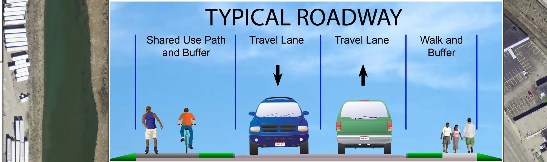
CTM welcomes the planned shared use bicycle-pedestrian path on the new roadway. However, we note the absence of separated bike lanes on Central Parkway in the current plans. In June of 2014, CTM passed a resolution of support for the Central Parkway Separated Bike Lanes and their extension to Ludlow Avenue. We request that the connector plans include separate bike lanes on Central Parkway consistent with the City of Cincinnati Bicycle Transportation plans and recommendations.

Thank you again for the opportunity to provide comments.

Sincerely,
Anthony Sizemore
President, Clifton Town Meeting
cc: City Councilmembers, Mayor of Cincinnati, City Manager
——–End of email————-

On August 19, Mr. Matthes replied by email as follows:
Mr. Sizemore,
Thank you for your comments regarding the Elmore/Central Parkway Connector project.

Per discussions with the City of Cincinnati DOTE (Department of Transportation and Engineering), the cycle track that has been installed south of Marshall Avenue was planned to extend north to Ludlow Avenue. This extension will be a separate project, locally sponsored by the City. The proposed Elmore to Central Parkway Connector project will not preclude that work.

FYI – See below link to access all the exhibits that were displayed at the Public Involvement meeting. Exhibit #1 shows the proposed Connector Road (connecting Elmore Street to Central Parkway; large bridge that spans over I-75, Mill Creek and Dirr Street). Exhibit #2 is zoomed out – showing more of the surrounding area. Exhibit #3 states the Purpose of the project and shows the current schedule. ODOT will continue to update CTM regarding project status and schedule.

Link: Click here.

Respectfully,
Lee Matthes, P.E.
—– End of reply —–

CTM’s Transportation Committee will continue to follow this topic and provide updates at monthly meetings when new information is available.