Background
In spring 2017, the Clifton neighborhood approached the Cincinnati Department of City Planning to assist with facilitating a visioning meeting for a proposed development on Howell Avenue between Ormond and Clifton Avenues. City Planning staff met with Clifton Town Meeting (CTM) representatives and the Gaslight Property development team on a few occasions over the summer and fall of 2017 to discuss the potential project and the visioning meeting.
There are no sketches for this development as of yet, however the development team has proposed that the site will contain approximately 130 apartments, 7,000 square feet of retail space, and 300 parking spaces in a parking garage (half of which would be designated as public parking spaces).
The site is a combination of Commercial Neighborhood-Pedestrian (CN-P) zoning and Single-Family Residential (SF-4) zoning. As such, a zone change would be required for the site and a request for a Planned Development would be the most appropriate zoning given the parameters of the project. Once the development team submits their concept plan and a zone
change request, it would go through a public process that lasts about 4 to 6 months. If the zone change and concept plan were approved, the development team also has to submit a Final Development Plan for the project which requires further public input and review and typically lasts 2 to 3 months long.
Purpose of the Meeting
The purpose of the visioning meeting was to allow everyone an opportunity to discuss their ideas and have open conversations with the development team about their concerns and top priorities for the Howell Avenue Development site before an official zone change and concept plan request is made to the City of Cincinnati.
Summary of the Meeting
On November 8, 2017, Clifton Town Meeting, the Cincinnati Department of City Planning, and Gaslight Property hosted the Howell Avenue Development Visioning Meeting at the Clifton
Recreation Center. 50 people attended the meeting aside from City staff.
The evening began with a brief presentation about the purpose of the meeting, the background of the project, and examples of mixed use development. When shown the examples of mixed use development, attendees were asked to gauge their reactions to the images they were shown, with the emphasis that they may like or not like what they see and to begin to think about their top priorities for the breakout exercises.
After the presentation, attendees were instructed to break out into four groups to participate in the following exercises:
Round Robin and Group Dot Exercise
The facilitator (City Planner) introduced four themes to the group: (1) the use of the building, (2) architectural details/materials of the building, (3) the Clifton Plaza, and (4) landscaping/parking. Each person wrote down their top ideas or concerns on sticky notes, put them on the group theme, and then talked about their idea with the group. After all of the themes were completed, participants were asked to vote within their own group on the top priorities (they were allowed 6 votes total to spread around as they wished among the four themes).
Report Out
Once voting was completed within each group, the facilitators reported out to the entire room and named the top priorities from their group.
Entire Room Dot Exercise
The top priorities from the groups were then available to be voted on by everyone (6 votes per person).
Results from the Meeting
The top priorities from the meeting after all of the voting took place were the following (in order of the most votes):
1. Incorporate CCAC with the development and the Clifton Plaza
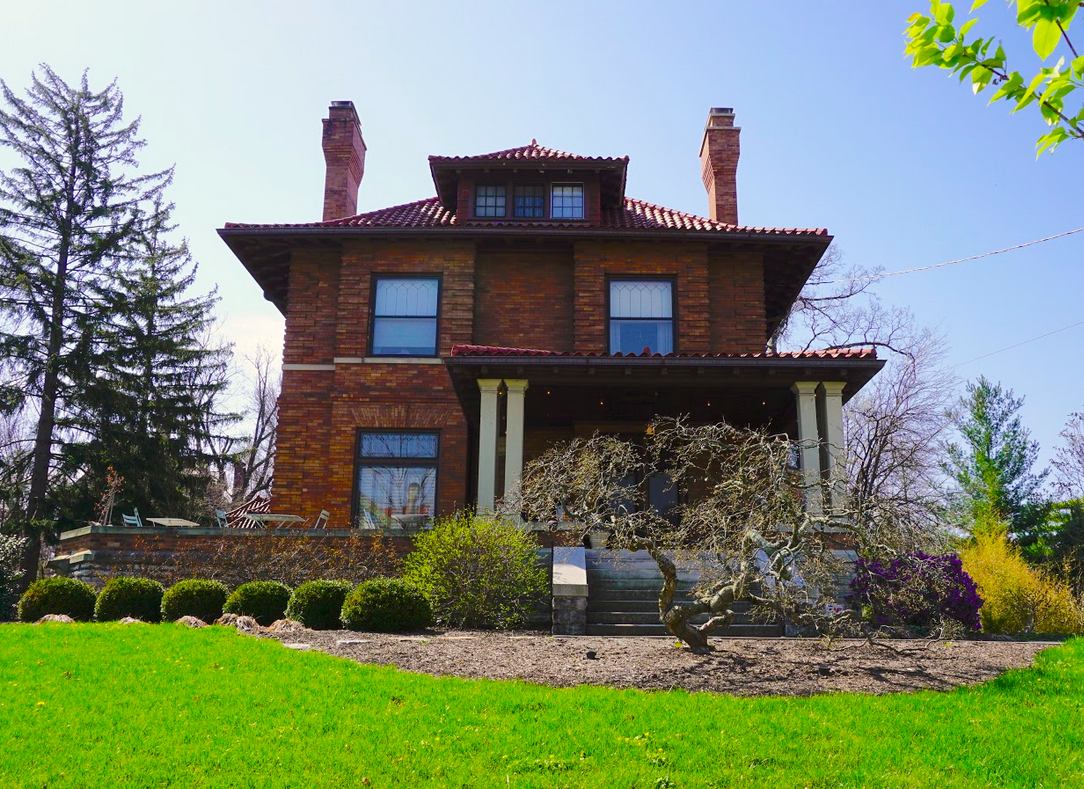
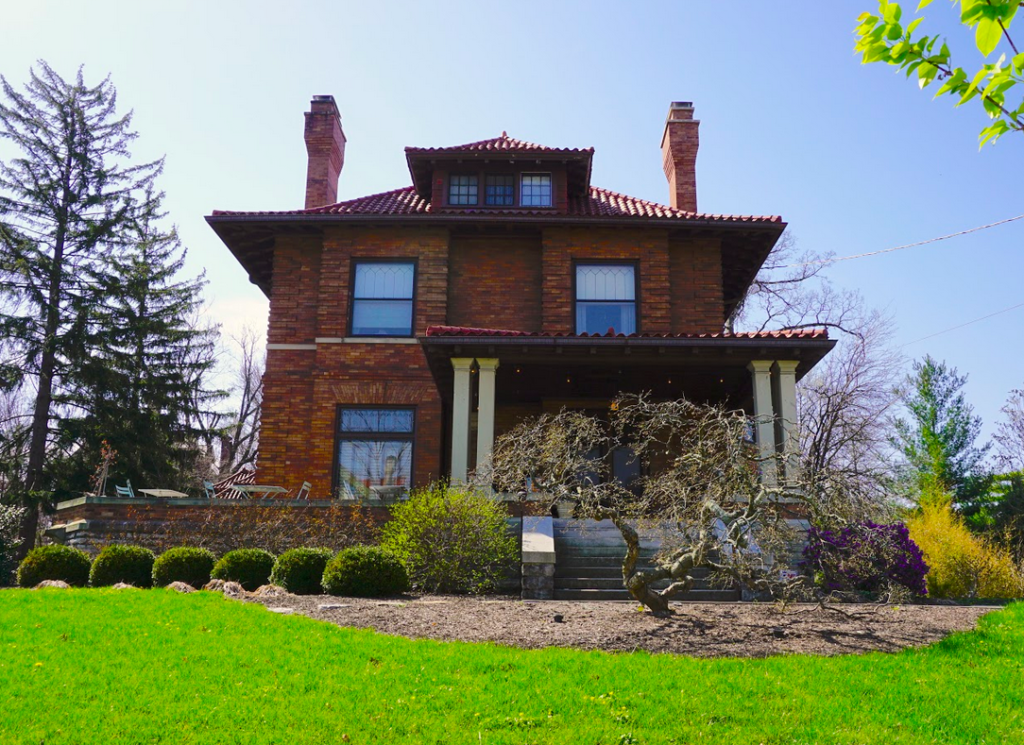
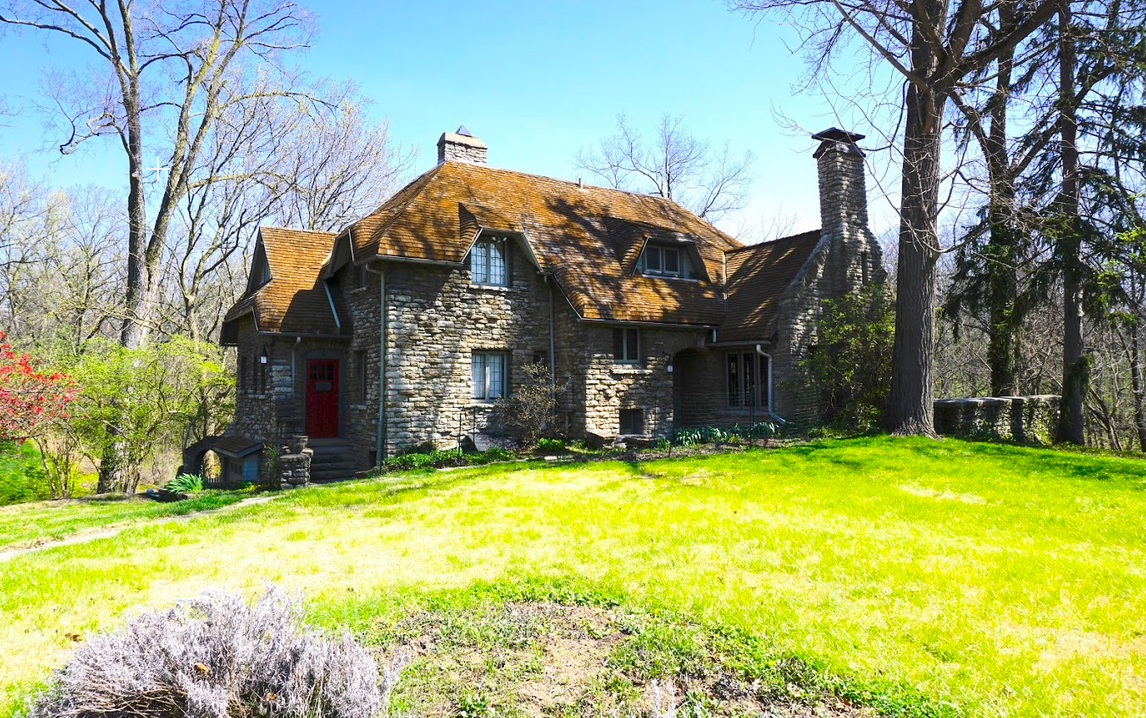
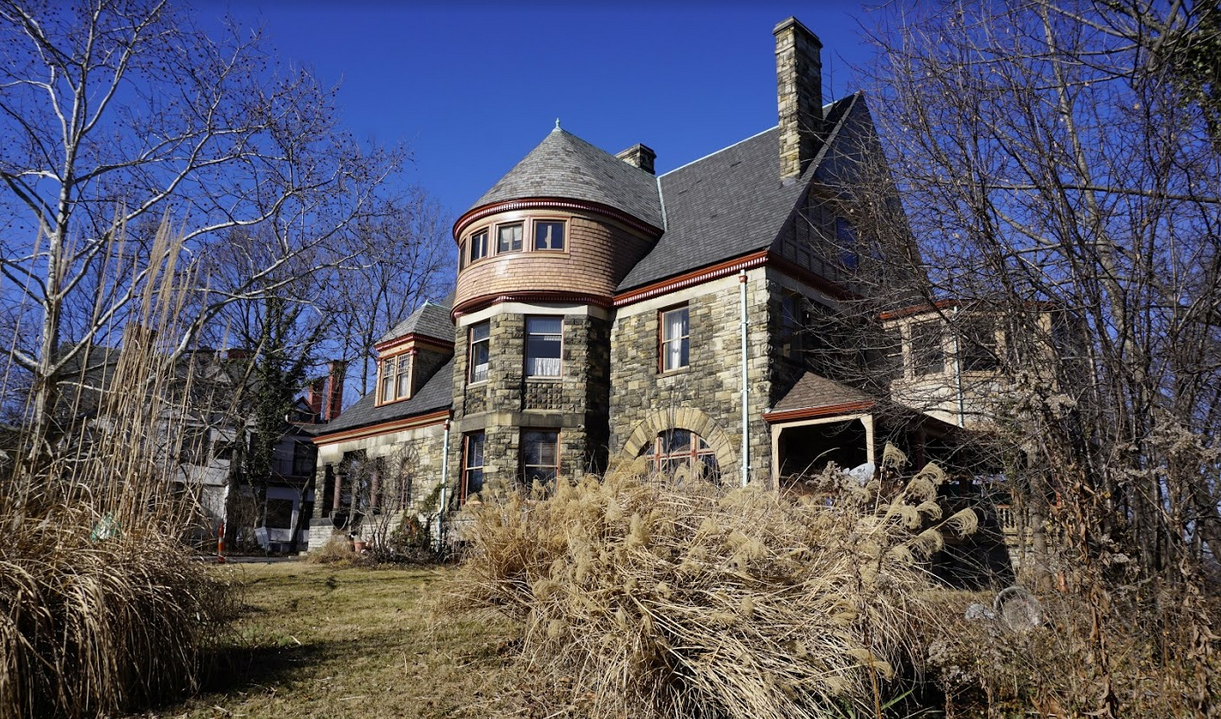
2. Design the development to look like the neighborhood
3. Seek out longer term residents
4. Incorporate public art with the Clifton Plaza
5. Set back the building from the street and plant trees on Howell Avenue
6. Put as much of the garage as underground as possible
7. Expand Clifton Plaza
8. Provide for larger apartments (3-4 bedrooms and 2,000+ square feet)
9. LEED Certified
10. Step down the building to the street
11. Incorporate green space along Howell Avenue
12. Minimize parking and traffic on nearby streets
13. Design the development to incorporate both modern and traditional architectural elements
14. Include a rooftop vegetable garden
All of the comments from the group discussions, the number of votes for each item, and the
voting for the top priorities are attached to this summary. Another chart (included with this report) was created that shows comments and recommendations that were made in two or more groups, but perhaps didn’t get enough votes to be included as top priorities for the whole room. Notable ideas that were named in every one of the four groups included the following:
1. Incorporate the CCAC with the development and the Clifton Plaza
2. Provide a functional rooftop (ideas for rooftop uses include: bar, restaurant, terrace, and garden)
3. Provide for larger apartments (3-4 bedrooms with 2,000 + square feet)
4. Incorporate a restaurant with outdoor dining
5. Enhance the lighting and build a water feature at Clifton Plaza
6. Install bike storage (indoors and outdoors) and keep the Red Bikes nearby
7. Conceal the parking garage with greenery or a living wall
8. Design the building with traditional, Tudor architecture in mind as well as use quality materials like brick
Results from the Survey
An online survey was also released on November 16th, 2017 in order to get additional feedback from people who were unable to attend the November 8th meeting. This survey was also printed and copies were left at the Clifton Recreation Center for people to fill out. After the survey closed on November 30th, there were 282 total respondents. Based on their feedback, the top priorities were the following (in order of the most votes):
1. Design the development to fit in/ look like the neighborhood
2. Put as much of the garage underground as possible
3. Encourage longer term residents
4. Set back the building from the street on Howell Avenue and plant streets
5. Incorporate the CCAC with the development and the Clifton Plaza
Other common ideas that were named in the survey included the following:
1. Make parking a priority on the site to increase public parking for the area
2. Incorporate condos as part of the project
3. Limit the height of the building / build within the context of the neighborhood
Click here to review the full report including a copy of the survey results and all of the comments.